The Best Flowers for Pollinator-Friendly Gardens
Same-day delivery of fresh, hand-crafted floral arrangements for events, celebrations, and everyday occasions across Orland Park.
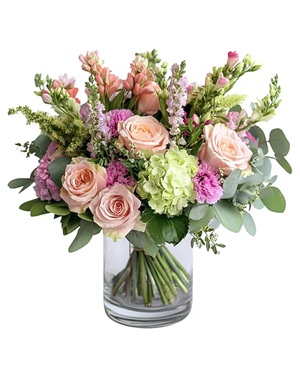
Same-day delivery of fresh, hand-crafted floral arrangements for events, celebrations, and everyday occasions across Orland Park.
A vibrant garden filled with blooming flowers does more than brighten your outdoor space—it also provides essential food and habitat for pollinators like bees, butterflies, hummingbirds, and other beneficial insects. By choosing the right blooms, you can create a beautiful landscape that supports local ecosystems while enjoying colorful displays throughout the growing season. Whether you're an avid gardener or simply love fresh floral arrangements, understanding which flowers attract pollinators can inspire your next planting project.A knowledgeable florist or experienced flower designer can also recommend garden-inspired bouquets featuring many of these pollinator-friendly blooms, bringing the beauty of nature indoors.
Why Pollinator-Friendly Flowers Matter
Pollinators play a vital role in the environment by helping flowering plants produce seeds and fruit. Many fruits, vegetables, herbs, and wildflowers depend on bees, butterflies, and hummingbirds for successful pollination. Planting nectar-rich flowers not only benefits wildlife but also encourages healthier, more productive gardens. Choosing a variety of seasonal flowers that bloom from spring through fall ensures pollinators have a continuous source of nectar and pollen throughout the year.
Top Flowers That Attract Pollinators
Several flowers are especially popular with pollinators while adding stunning color to gardens and landscapes.Lavender is a favorite among bees thanks to its fragrant purple blooms and long flowering season. Coneflowers provide abundant nectar for butterflies and bees while producing attractive seed heads that birds enjoy later in the season.Sunflowers offer pollen and nectar while creating dramatic focal points in any garden. Bee balm attracts hummingbirds with its vibrant red, pink, and purple blossoms, while black-eyed Susans bloom for weeks and provide valuable food for beneficial insects.Other excellent choices include salvia, asters, zinnias, cosmos, milkweed, and native wildflowers. Together, these blooms create diverse habitats that support pollinators while delivering spectacular seasonal color.
Designing a Pollinator Garden
Creating a pollinator-friendly garden is about more than selecting beautiful flowers. Planting flowers in groups makes it easier for bees and butterflies to locate nectar sources. Including a mix of flower shapes, heights, and bloom times encourages a greater variety of pollinators to visit your garden.Native plants are particularly valuable because local pollinators have evolved alongside them. Reducing pesticide use and providing shallow water sources also help create a safe, welcoming environment for beneficial insects and birds. Many gardeners also enjoy cutting fresh blooms to create natural floral arrangements that bring the beauty of the garden indoors while leaving plenty of flowers available for pollinators.
Pollinator-Friendly Flowers for Special Occasions
Many pollinator-friendly blooms are also popular choices for elegant wedding flowers, cheerful bouquets, and everyday flower delivery gifts. Sunflowers, lavender, cosmos, zinnias, and daisies create fresh, garden-inspired arrangements that feel both timeless and environmentally inspired.A skilled flower designer can combine these seasonal flowers with roses, greenery, and textured foliage to create bouquets that celebrate nature while maintaining a polished, professional appearance.
Grow Beauty That Gives Back
Planting pollinator-friendly flowers is a rewarding way to support the environment while enjoying a colorful and thriving garden. With thoughtful planning and a diverse selection of blooms, you can attract bees, butterflies, hummingbirds, and other beneficial wildlife throughout the seasons.Whether you're designing your own garden or ordering fresh flower delivery from a trusted florist, pollinator-friendly flowers offer lasting beauty both outdoors and in stunning floral arrangements. By choosing blooms that nourish nature, every bouquet and every garden can help create a healthier, more vibrant world.